Discover the pros and cons of health sharing versus health insurance, with data, member experiences, and clear comparisons to help you find the option that fits your family.
Why Are People Frustrated with Health Insurance?
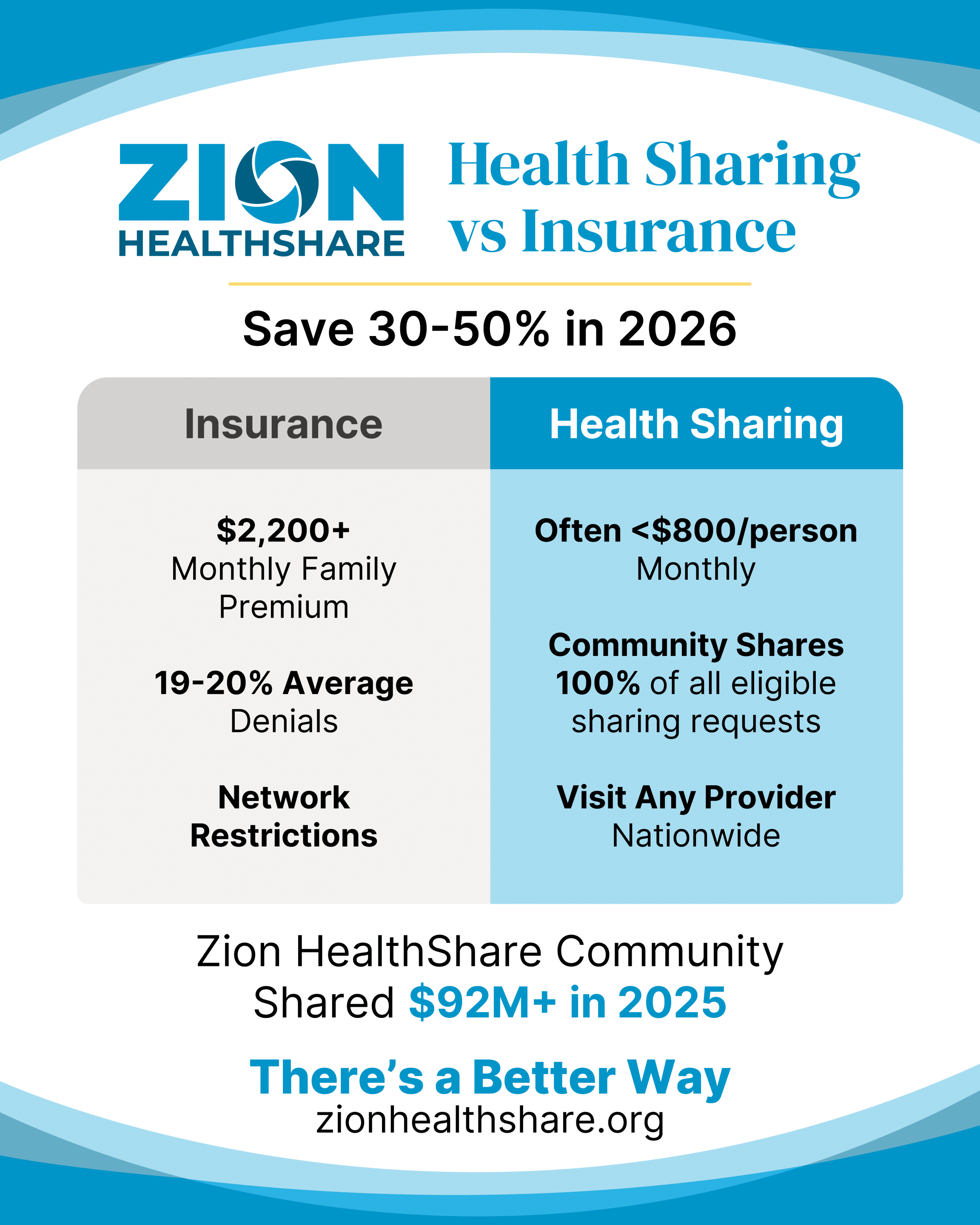
Health insurance premiums continue to surge, with employer-sponsored family plans averaging $26,993 in 2025 after a 6% rise, per KFF. ACA Marketplace plans face median increases of 18-20% in 2026, driven by medical cost inflation and expiring tax credits, as reported by Health System Tracker.
- Restrictive networks limit doctor choices, forcing out-of-network penalties.
- Denial rates average 19-20% for ACA plans, with some insurers like UnitedHealthcare at 33%.
- Complex billing and fine print hide exclusions, leading to unexpected costs.
- Premiums outpace wages, with 2026 projections at 6.5-9% hikes.
Learn more about the reasons behind skyrocketing health insurance premiums.
What Is Health Cost Sharing?
Health cost sharing is a membership-based system where communities submit monthly contributions to share eligible medical expenses among members. Unlike insurance, it relies on nonprofit guidelines rather than for-profit policies.
Members pay an Initial Unshareable Amount per incident before the community shares the rest via Sharing Requests. Zion HealthShare provides clear guidelines, no faith requirements, and a focus on member support.
What Are the Advantages of Health Sharing?
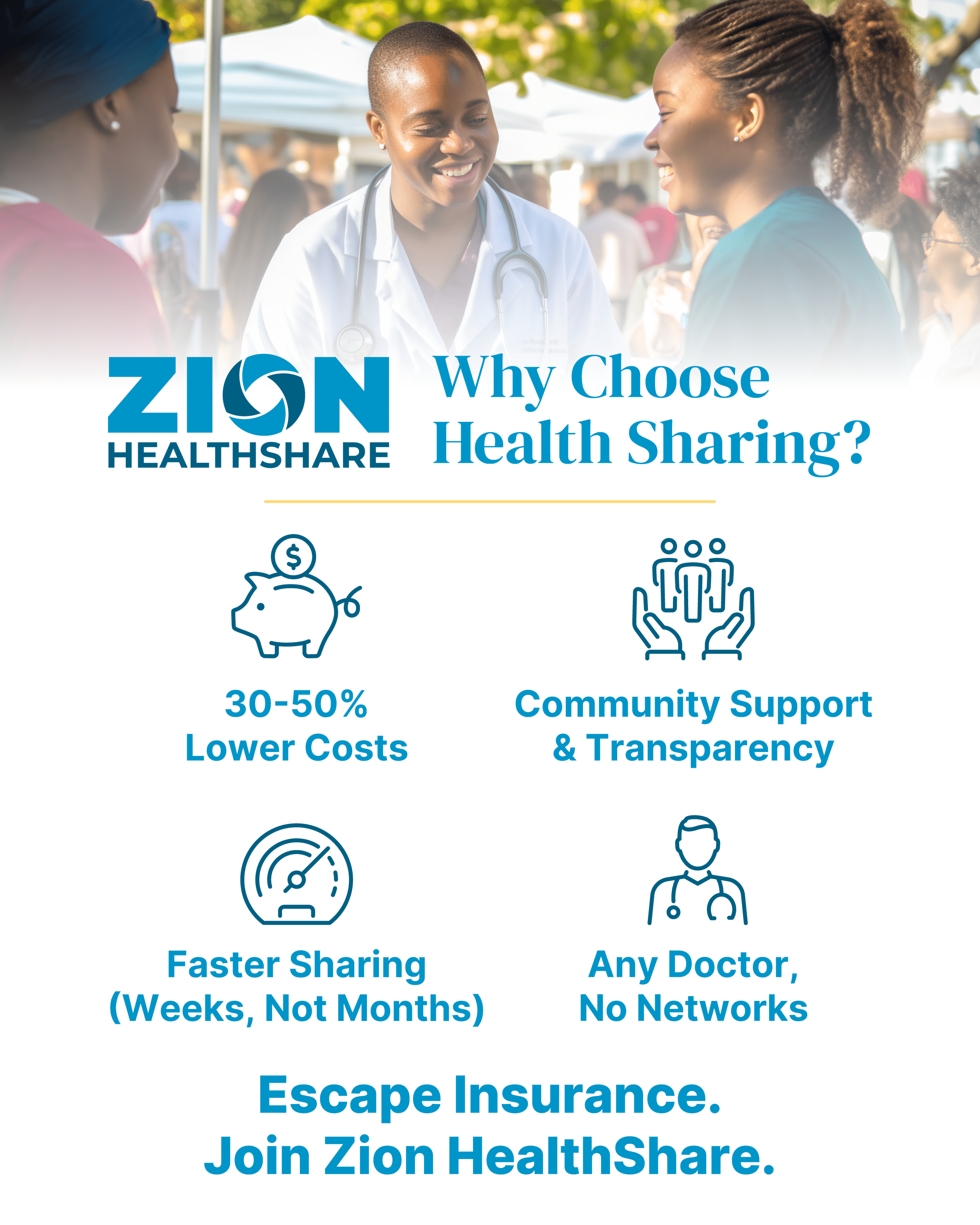
Health sharing delivers 30-50% lower monthly contributions than insurance for many, often under $300 per person versus $540+ ACA averages.
- Choose any provider nationwide without restrictive networks.
- Approved Sharing Requests process faster, typically in weeks.
- Members build community ties through shared values and support.
- Explore the growing trend of individuals shifting away from traditional health insurance to health shares.
Zion HealthShare stands out for its affordable solution amidst rising healthcare costs and see how health sharing offers more than just an alternative to traditional insurance
What Are the Potential Challenges of Health Sharing?
While health sharing can be a flexible and affordable alternative to traditional insurance, there are some aspects to keep in mind. Some health shares have faith-based requirements, lifestyle guidelines, or waiting periods for certain conditions, which may not fit every member’s situation. Programs also differ in how they handle pre-membership qualifications, upfront amounts, and phased support for pre-membership conditions, so costs and timing can vary from one community to another. Health sharing tends to work best for generally healthy individuals or families who are comfortable actively managing their healthcare expenses and planning for larger medical needs.
This table compares key aspects to illustrate differences in cost, flexibility, and structure, helping readers evaluate the best fit.
| Feature | Traditional Insurance | Health Sharing |
|---|---|---|
| Monthly Cost | $540+ avg ACA (2024), rising 18–20% in 2026 | 30–50% lower, e.g., varying by program & household size |
| Provider Networks | Restrictive HMO/EPO, out-of-network penalties | Any provider nationwide |
| Eligibility Rules | Income-based subsidies, no pre-existing exclusions | Guideline-based, some phased pre-membership or waiting periods |
| Personal Responsibility | High deductibles up to $10,600 OOP max | Most programs require an initial member contribution per incident; amounts vary |
| Community Focus | None; for-profit model | Nonprofit or community-driven with sharing among members |
| Transparency | Fine print, 19–20% denials | Guidelines and reporting vary; generally clearer than insurance policies |
| Other Considerations | Standardized across insurers | Some programs may have faith or lifestyle requirements; details differ by community |
What Do Real World Examples and Data Show?
Health sharing is more than a concept. In 2024, Zion HealthShare members shared over $75 million in eligible medical costs, and in 2025 that total grew to over $92 million. These numbers reflect thousands of families receiving support for surgeries, hospital stays, and other significant medical expenses.
Members report large bills being handled efficiently. One family described an AirEvac and ICU stay exceeding $100,000. After paying their initial amount, the community shared the rest within 24 hours. Another member shared their total annual out-of-pocket costs averaged $4,500 to $6,500, compared with over $16,000 under ACA plans.
Even moderate procedures can result in significant savings. One member had a $12,000 surgery and paid only $1,000. Members appreciate the transparency, timely reimbursements, and guidance from personal advocates, which makes health sharing manageable and predictable for everyday families.
Making Health Sharing Work for You
Health sharing offers a flexible and affordable way to manage healthcare expenses, combining lower contributions, choice of providers, and community support. While individual circumstances vary, many families and individuals find that the benefits of shared support and transparency make health sharing a practical alternative to health insurance.
Take control of your health finances today. Visit Zion HealthShare to learn about membership and start sharing with confidence.
Frequently Asked Questions
-
- What is health cost sharing and how does it differ from insurance? Health cost sharing is a nonprofit, membership-based community where members contribute monthly to share eligible medical expenses according to guidelines. It differs from insurance by avoiding for-profit premiums and policies, focusing instead on mutual aid.
-
- How much cheaper is health sharing than health insurance? Health sharing offers 30–50% lower monthly contributions, often $150–300 per person versus $540+ ACA averages rising 18–20% in 2026.
-
- What are the main pros of switching to health sharing? Main pros include lower costs, freedom to choose any provider, faster processing, and community support. Members gain transparency and shared values absent in insurance.
-
- What are the cons or risks of ditching health insurance? Cons include no guaranteed sharing, waiting periods for pre-membership conditions, and lifestyle or religious restrictions.
-
- Is health sharing reliable for big medical bills? Yes, communities like Zion HealthShare routinely share surgeries and hospitalizations over $50,000 after Initial Unshareable Amounts. Data shows success amid 2026 cost surges of 6.5–9%.
-
- How do I know if health sharing is right for me? Review your health status against guidelines, calculate savings versus premiums, and assess commitment to wellness.