
Across the country, families are entering another year where everything costs more. Groceries, housing, utilities, transportation, and healthcare have all increased. People are spending more while receiving less value, and many are beginning to question how long this trend can continue.
Premiums in the individual market are climbing sharply. The Kaiser Family Foundation (KFF) reports that insurers offering Affordable Care Act Marketplace plans are increasing base prices by an average of 26 percent for 2026. States with their own exchanges expect a 17 percent rise, while those using Healthcare.gov average closer to 30 percent.
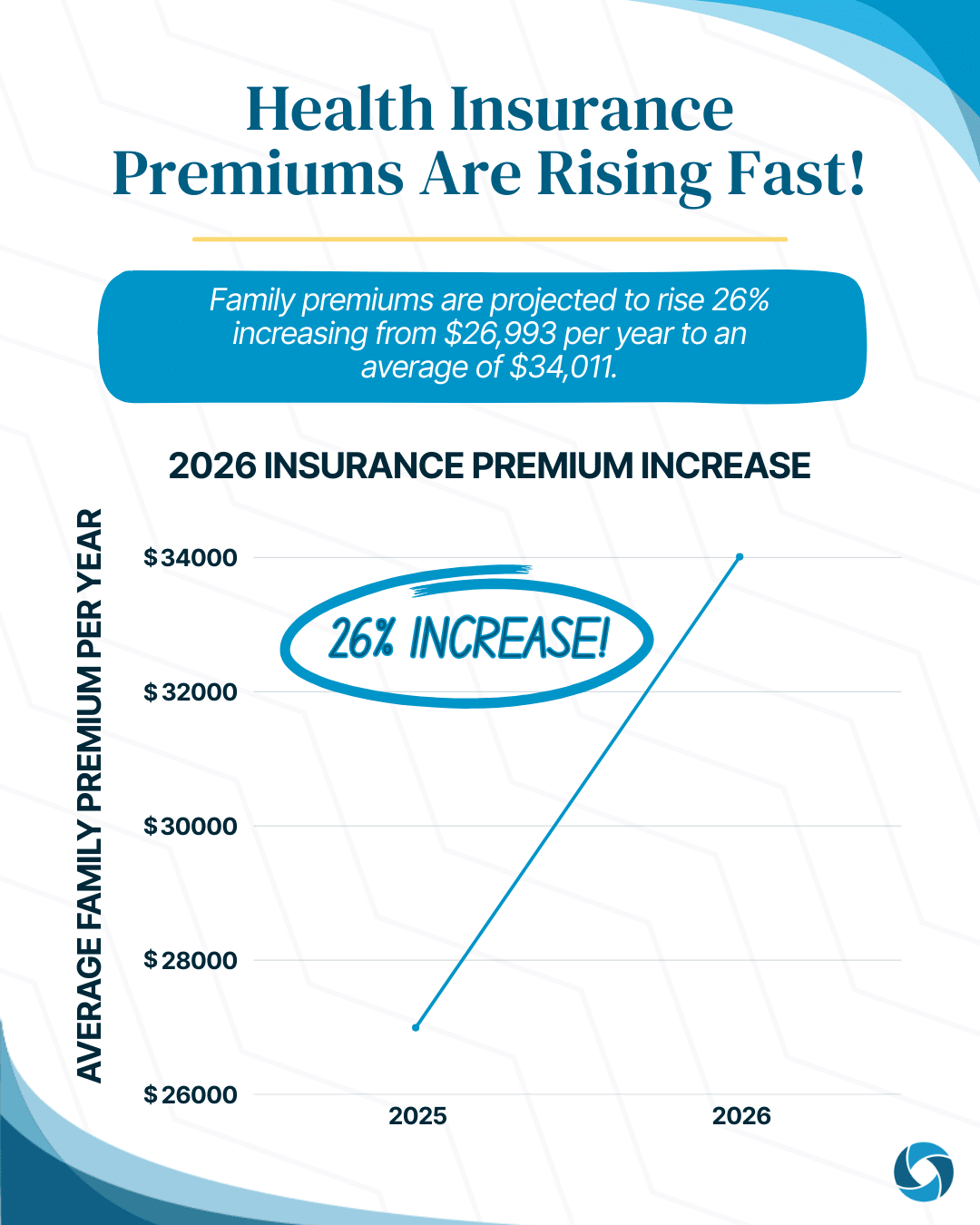
These jumps come during a period when wage growth is not keeping up, shrinking the purchasing power of many households. In employer-sponsored plans, family premiums reached an average of $26,993 in 2025. That is a 6 percent rise, or $1,408 more per year than in 2024. Workers now contribute about $6,850 annually toward family coverage out of their paychecks.
For families relying on premium tax credits, the challenge may soon worsen. The enhanced subsidies introduced during the pandemic are scheduled to end in 2025. Without them, the monthly amount many Americans pay could more than double. KFF estimates subsidized enrollees will see payments increase by about 114 percent on average. Families currently paying modest monthly premiums may face hundreds more per month beginning in 2026.
Insurance is no longer a once-a-year decision. It has become a recurring financial pressure competing with rent, mortgage payments, groceries, and other essential expenses. This mounting pressure has pushed individuals and employers to seek out new ways to manage healthcare spending.
Why Costs Keep Going Up
Many forces are pushing healthcare prices higher. Medical inflation continues to rise faster than the national rate. As of September 2025, the average price of health care in the United States had risen by 3.3 percent over the past 12 months. Globally, medical costs are projected to rise at a 10.4 percent rate in 2025. Advancements in treatments and specialty medications, while valuable, also carry higher price tags.
Hospitals have faced significant consolidation in recent years, lowering competition and increasing their bargaining power. Insurers cite growing hospital care prices as a main driver of premium hikes. Total hospital expenses grew 5.1 percent in 2024, outpacing overall inflation of 2.9 percent.
Prescription drug spending continues to climb as well. New treatments are expensive, and even some generics have seen price spikes. More than a third of large firms say drug costs significantly contribute to higher premiums.
Insurance companies face their own challenges. Risk management costs have risen, and administrative expenses are increasing. These pressures all factor into higher prices for families and small businesses.
As a result, many people are paying more for healthcare while receiving less protection. High deductibles and copays mean some families end up paying significant amounts out of pocket before their plan even begins sharing in medical bills. It is a cycle that has led many people to feel that rising premiums do not reflect better access or better care. The average deductible among covered workers in 2025 was $1,886 for single coverage.
Where People Are Turning Instead
As traditional health insurance becomes harder to afford, many households are exploring options that are fairer, more flexible, and less overwhelming, creating a noticeable shift in how people approach healthcare. Instead of relying on one system, they’re piecing together solutions that give them control.
One option gaining momentum is Direct Primary Care. Members pay a monthly fee directly to their physician, which opens the door to longer appointments, direct messaging, and wholesale pricing on labs and basic imaging. The experience feels personal again, and many appreciate the clarity of knowing what their primary care will cost each month.
Others turn to cash-pay facilities, particularly for surgeries and imaging. Transparent pricing allows people to compare costs in advance, and procedures often cost 40 to 60 percent less when paid directly rather than billed through insurance. It’s straightforward, transparent, and can save families considerable money.
Telemedicine continues to expand as well. For everyday concerns, virtual visits can replace a trip across town or a wait in a crowded waiting room. It’s efficient and aligns with how people expect modern services to work.
Health sharing communities continue to grow as another alternative. Over 1.7 million million Americans participate in these programs, giving monthly contributions to help support one another’s eligible medical needs. Many appreciate the predictable costs, community support, and simpler process compared to traditional insurance.
These trends tell a clear story. Households want affordability, clarity, and the freedom to choose providers based on preference rather than network rules. People are actively searching for healthcare solutions that work for real budgets and real families, not just what has always been expected of them.

A Different Way Forward with Zion HealthShare
Zion HealthShare was created for people who are ready for another way. We are a nonprofit, membership-based community that shares eligible medical needs among members. Instead of complex claims, large administrative overhead, or confusing networks, we focus on transparency, affordability, and direct support. Monthly contributions are predictable, and many households save significantly compared to traditional insurance, giving immediate financial relief.
Members are free to choose any licensed medical provider. There are no network restrictions and no required referrals. This flexibility is valuable for rural families, frequent travelers, people who want to stay with long-time physicians, and those seeking specialty care outside specific regions.
Zion HealthShare is open for enrollment year-round. Members can join whenever they need support, without waiting for open enrollment periods. Life rarely fits into a once per year deadline, so access should not depend on the calendar.
In addition to sharing eligible medical needs, membership includes additional services such as 24-hour telemedicine access, mental health resources, and prescription discounts at no extra cost. These features help members get timely care, avoid unnecessary urgent care visits, and keep healthcare spending manageable.
Transparency guides everything we do. Our Member Guidelines are public and easy to find. Members can see how funds are used and how sharing decisions are made. There is no guesswork and no hidden process. Clear expectations help members feel confident when submitting a sharing request, especially during stressful health moments.
How Zion HealthShare Compares
When evaluating healthcare choices, most families look at three practical questions: What will it cost? How flexible is it? Can I access care when I need it?
Traditional insurance may offer familiarity and legal protections, yet costs continue to climb each year with little relief. Deductibles and out-of-pocket expenses often create barriers to receiving care, even for families who are paying high monthly premiums.
Direct Primary Care can support everyday health needs and offers strong physician relationships. The limitation is that it typically does not help with large medical bills on its own.
Other health sharing communities can be helpful as well. Some, however, require specific religious commitments or have more restrictive waiting periods. Zion HealthShare provides a welcoming option with guidelines that are clear and accessible. Members appreciate the combination of affordability, flexibility, and transparency that defines our community.
A Better Alternative for Rising Healthcare Costs
Healthcare is shifting in a noticeable way. People want affordability, clarity, and the ability to make their own decisions about care without feeling boxed in. Alternatives like Direct Primary Care, cash-pay providers, telemedicine, and health sharing continue to grow because they offer options that feel more personal, transparent, and financially manageable.
This movement reflects something hopeful. When individuals can choose care based on what is best for their situation rather than what fits within a network, the experience becomes more human. Zion HealthShare exists within this landscape as a nonprofit community that helps members share medical expenses through a simple and compassionate model. Our focus is on people first, supported by clear guidelines and a straightforward membership experience.
People deserve healthcare that feels manageable, transparent, and human. If rising premiums have pushed you to explore new solutions, Zion HealthShare offers a community-centered way to share medical expenses with confidence. You can learn more, review our Member Guidelines, or start membership any time of the year.
Current as of: March 5, 2026
Zion HealthShare is not an insurance company. Neither this publication nor membership in Zion HealthShare are offered by an insurance company. Visit zionhealthshare.org to view your state-specific notice.